
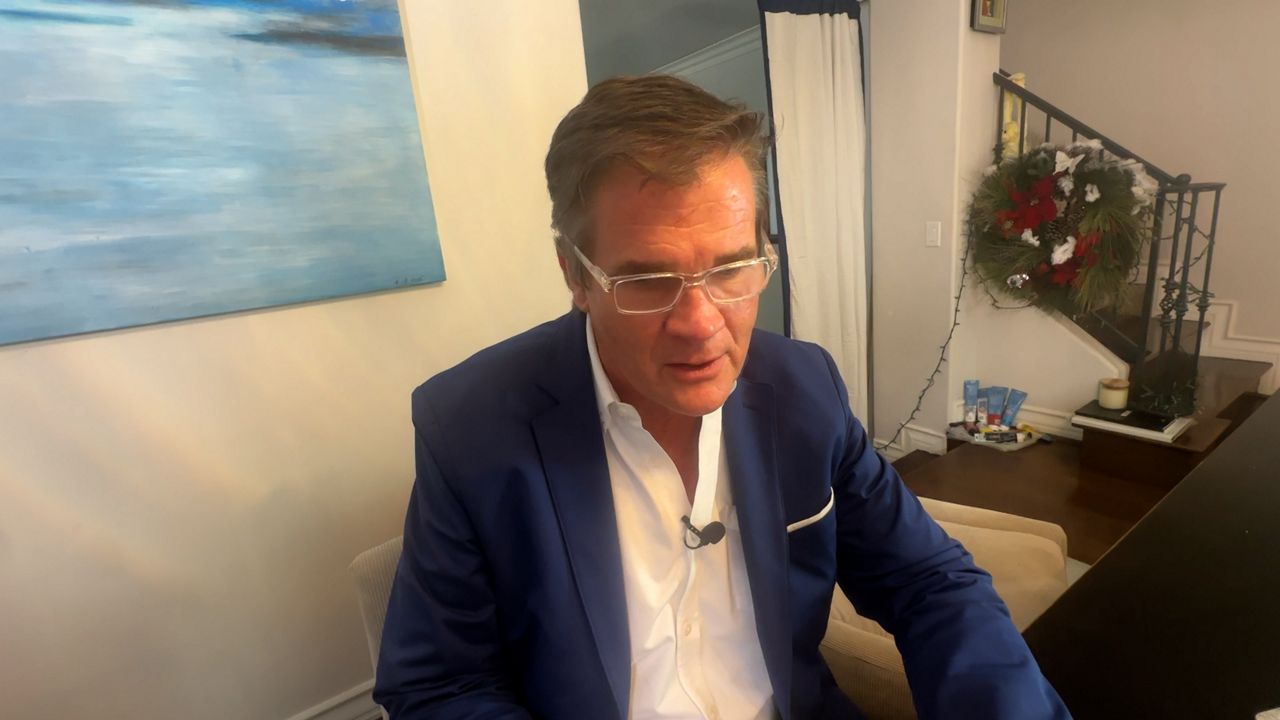
Spectrum News reports on new tools helping independent filmmakers protect films from AI training and unauthorized reuse—including CineLot and SonicOrigin. Watch the full segment on Spectrum News (link below).
LOS ANGELES — As the use of artificial intelligence in the entertainment industry continues to grow, indie filmmakers are looking for ways to protect their work.
Clark Peterson is a longtime movie producer whose credits include the 2003 Charlize Theron film Monster, for which Theron won an Academy Award for Best Actress. He said protecting the work of independent filmmakers has been a challenge in Hollywood for decades.
Trying to protect our work in Hollywood has been an ongoing issue for many years. We've all heard of piracy and people copying our work and using it for other purposes, etc., but I think with the advent of AI, there's a whole new set of challenges.
One challenge is protecting copyrighted projects from AI models trained on existing materials. Newer technology helps through virtual watermarks that are not visible to the naked eye but can discourage some AI models from scraping film work online.
Being able to watermark our creations, our productions, is a huge new tool that's available to all of us as filmmakers, Peterson said.
Large Hollywood studios like Disney or Sony use their own vast media libraries to train in-house AI models, while independent filmmakers sometimes rely on open internet platforms.
Several companies have launched products that aim to help independent filmmakers protect their work, including CineLot, a platform that also helps indie movie makers distribute their work.
CineLot founder and CEO Apple TungFong said many indie filmmakers use YouTube to post their work and raise visibility, but that can create challenges when it comes to protecting their product from AI.
YouTube, there's lot of AI companies, I don't want to name it, but they're just scraping off the content because it's public, said TungFong. And everything is open source.
She added that CineLot's software helps mitigate the threat of AI through its security features. CineLot uses technology from SonicOrigin, which helps give independent filmmakers a unique digital ID, watermarks their work, and allows creators to have final say.
What we do is we give the independent film maker the ability to protect their piece of content from piracy, said SonicOrigin CEO Mark Gray.
Whether that is someone else using it, or it ends up on YouTube and gets sped up to try and circumvent content protection technologies.
For Peterson, the new technology is a game changer. The longtime producer believes it could help level the playing field for indie filmmakers and the big studios.
Studios have lots of money, and lots of lawyers, and lots of ways to protect their intellectual property. But independent filmmakers don't have all of those things. The fact that there is a new technology available to independent filmmakers is invaluable.
Originally reported by Jas Kang for Spectrum News (Los Angeles), published October 21, 2026.